
Choosing the Perfect best Yoga Mat
Choosing the perfect yoga mat depends on your practice style, comfort needs, and environment. If you practice dynamic styles like Vinyasa, look for a mat with strong grip to prevent slipping. For slower practices like Yin, extra cushioning supports your joints. Thickness usually ranges from 3mm (travel-friendly) to 6mm (more comfort). Consider material too—natural rubber offers eco-friendly grip, while PVC mats are durable and affordable. Check the mat’s length and width to suit your height and movement space. Finally, choose a texture you enjoy, as comfort and confidence on your mat can greatly enhance your overall yoga experience.
Understanding the Importance of a best Quality Yoga Mat
A quality yoga mat is essential for comfort, safety, and performance during practice. It provides proper cushioning to protect joints, especially in poses that put pressure on the knees, wrists, and spine. Good grip and traction prevent slipping, helping maintain balance and alignment in standing and balancing postures. Durable materials ensure the mat withstands regular use without tearing or losing shape. A high-quality mat also offers stability, allowing smoother transitions between poses. Additionally, it can enhance focus by creating a clean, personal space for practice. Investing in a reliable yoga mat supports both beginners and experienced practitioners in achieving a safer, more effective yoga experience


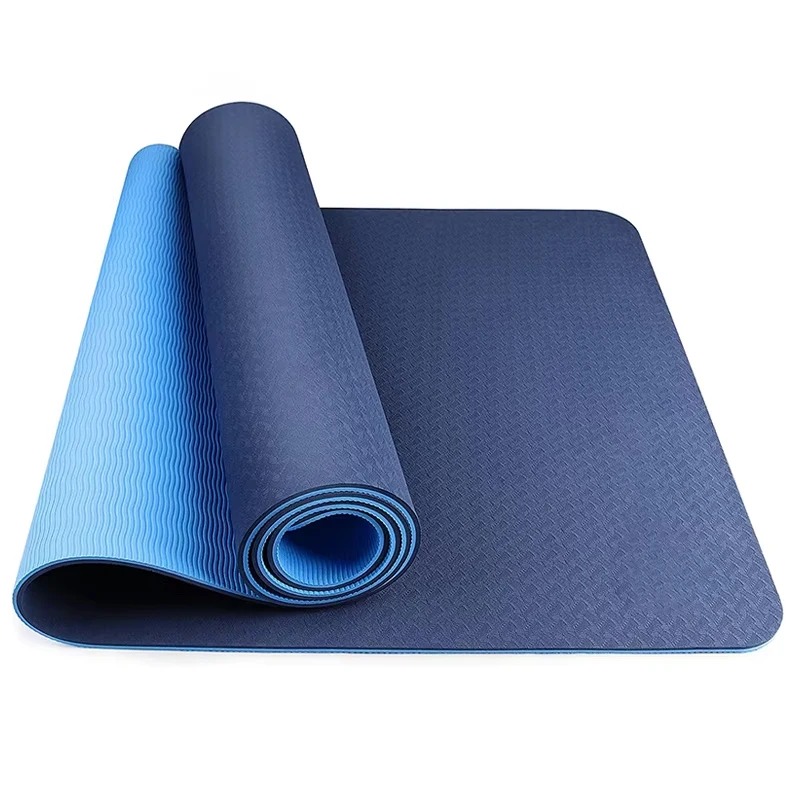
How to Choose a Yoga Mat: Key Factors to Consider
Choosing the right yoga mat can improve comfort, stability, and performance. First, consider thickness—a 4–6 mm mat offers balanced cushioning and support, while thinner mats provide better stability for balance poses. Next, check the material; natural rubber offers good grip and eco-friendliness, while PVC mats are durable and budget-friendly. Texture and grip are essential to prevent slipping, especially during sweaty sessions. Think about portability if you travel or attend classes frequently. Also, evaluate durability and ease of cleaning. Finally, match the mat to your yoga style—gentle practices need more cushioning, while dynamic styles require strong traction and stability.
Which Yoga Mat is Best for Different Practice Styles
Determining which yoga mat is best depends entirely on your yoga style and personal needs. For hot yoga or Bikram practitioners, a mat with excellent moisture-wicking properties and superior grip when wet is essential.
For gentle yoga or beginners, a mid-range yoga mat with good cushioning and moderate grip works perfectly. Gaiam and Jade Yoga offer excellent options in this category. Power and Ashtanga yoga practitioners benefit from thinner, grippier mats that provide stability during dynamic movements.


Finding Your Perfect Yoga Mat Near Me
When searching for a “yoga mat near me,” you have several convenient options. Local sporting goods stores, dedicated yoga studios, and specialty fitness retailers typically stock a variety of mats. Shopping in person allows you to feel the texture, test the thickness, and assess the weight before purchasing.
However, shopping for a yoga mat online offers advantages too. Online retailers provide extensive selections, detailed reviews, and often better yoga mat price deals. Popular platforms like Amazon, yoga-specific websites, and brand direct stores make purchasing a yoga mat online convenient and cost-effective. Many online retailers offer free returns, allowing you to test the mat at home risk-free.
Yoga Mat for Kids: Special Considerations
Choosing a yoga mat for kids involves more than just picking a smaller version of an adult mat. Children have different physical needs, attention spans, and safety requirements, so a few special considerations can make a big difference in their comfort and enjoyment.
- Size and Thickness
Kids are shorter and lighter, so a standard adult mat may feel too large. Look for a mat specifically designed for children, typically around 4–5 feet in length. A thickness of about 4–6 mm is ideal—thick enough to cushion knees and elbows, but not so soft that it affects balance.
- Non-Toxic Materials
Children are more sensitive to chemicals, so safety is crucial. Choose mats made from non-toxic, PVC-free materials such as natural rubber, TPE (thermoplastic elastomer), or organic cotton. Check for certifications or labels that confirm the mat is free from harmful substances like phthalates or heavy metals.
- Grip and Stability
Kids tend to move quickly and may not always focus on precise alignment. A mat with a non-slip surface and a good grip on the bottom will help prevent slipping during poses. Textured surfaces can provide extra traction, especially for energetic sessions.
- Lightweight and Portable
A lighter mat makes it easier for children to carry their own gear, encouraging independence and responsibility. Portability also helps if the mat will be used at school, in a studio, or outdoors.
- Fun and Engaging Design
Bright colors, playful patterns, or printed pose guides can make yoga more appealing to kids. An engaging design helps maintain interest and creates a positive association with practice.
- Easy to Clean
Kids’ mats are likely to get dirty quickly. Choose a mat that is easy to wipe down and resistant to moisture and odors.
By considering safety, comfort, and fun, you can select a yoga mat that supports a child’s physical development and fosters a lifelong love of movement and mindfulness.
Frequently Asked Questions
Q1: What thickness should I choose for my yoga mat?
The ideal thickness depends on your practice style and comfort needs. Standard 4-5mm mats work well for most yoga styles, providing adequate cushioning while maintaining stability. If you have sensitive joints or practice restorative yoga, consider a 6mm mat. For hot yoga or balance-focused practices, a thinner 3-4mm mat offers better ground connection and stability.
Q2: How much should I expect to spend on a quality yoga mat?
A quality yoga mat price typically ranges from $40 to $80 for regular practitioners. While budget mats under $30 exist, they may wear out quickly. Premium mats costing $100+ offer exceptional durability and features. Consider your practice frequency – practicing 3-4 times weekly justifies investing in a higher-quality mat that will last several years.
Q3: Can I practice yoga without buying a specialized mat?
While you can technically practice on any non-slip surface, a proper yoga mat provides essential benefits: cushioning for joints, grip to prevent slipping, defined personal space, and hygiene barriers in shared spaces. Even an affordable yoga mat significantly enhances safety and comfort compared to practicing on bare floors or towels.
Q4: How do I know if a yoga mat is suitable for children?
A proper yoga mat for kids should be shorter (around 60 inches), lightweight for easy handling, made from non-toxic materials, and feature age-appropriate designs. Check that it’s easy to clean and provides adequate cushioning. Many brands specifically label mats as child-safe and offer fun designs that engage young practitioners.
Q5: Is it better to buy a yoga mat online or from a local store?
Both options have advantages. Buying a yoga mat near me at local stores allows you to feel the texture, test thickness, and get immediate assistance. However, purchasing a yoga mat online offers wider selection, better prices, detailed reviews, and convenient home delivery. Many online retailers offer generous return policies, so you can test the mat at home and return it if unsatisfied.